How to Prove Distracted Driving in a Kentucky Car Accident Case
Distracted driving is a major problem in the United States, with many public health agencies going as far as to call it an epidemic. In Kentucky, proving that a driver was distracted can be key to winning a car accident case.
Wondering how you can prove the other driver caused your accident while paying attention to anything other than the road? Let’s talk about your next steps. Call John H. Ruby & Associates at 502-373-8044 right away.
Types of Distracted Driving
Distracted driving is a growing concern across the nation, and understanding its forms is essential to addressing this dangerous behavior effectively. While texting often comes to mind, many other types of distractions can compromise safety on the road.
- Texting or Using a Smartphone: Texting while driving is one of the most hazardous distractions, as it involves manual, visual, and cognitive distraction simultaneously. Drivers may take their eyes off the road to type or read a message, their hands off the wheel to hold the phone, and their minds away from driving, significantly increasing the risk of accidents.
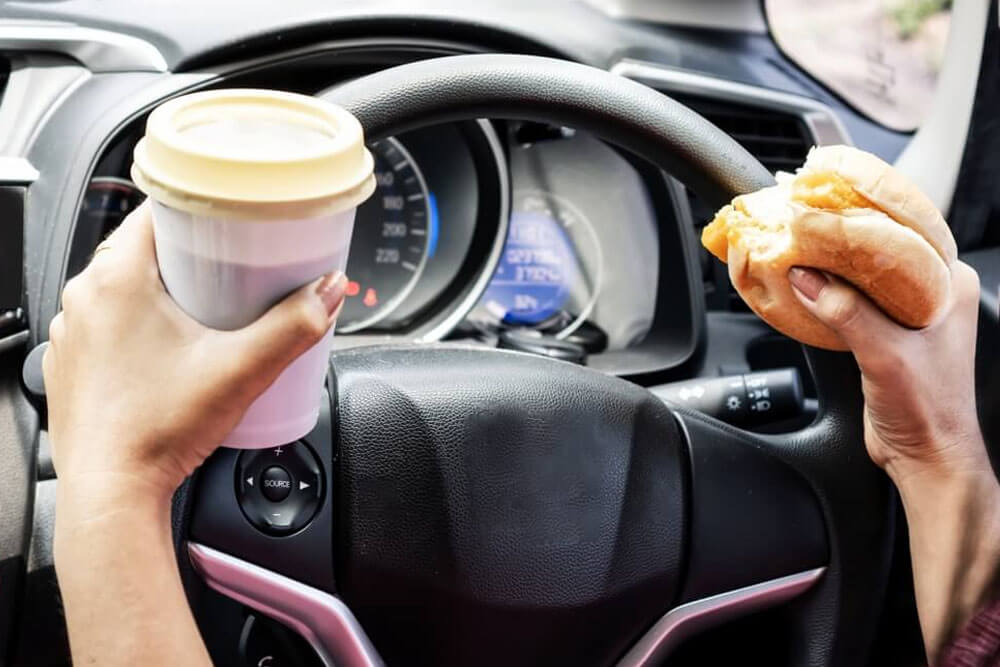
- Eating and Drinking: Consuming food or beverages while driving often requires drivers to momentarily remove their hands from the steering wheel and divert their focus. Spilled drinks or fiddling with food wrappers can escalate the danger, leaving drivers distracted from critical moments on the road.
- Adjusting In-Car Controls: Whether it’s tuning the radio, setting up the GPS, or adjusting the climate control, these actions can divert attention away from driving. Even a brief glance or adjustment can lead to delayed reactions and potential collisions.
- Talking to Passengers: Engaging in conversation with passengers can take a driver’s mental focus off the road. Animated discussions or arguments can be particularly distracting, drawing attention away from the surroundings and impairing judgment.
- Personal Grooming: Activities like fixing hair, applying makeup, or shaving while driving might seem harmless but are inherently risky. These tasks demand visual and manual attention, leaving drivers less prepared to react to sudden changes in traffic.
- External Distractions: Looking at billboards, construction sites, or roadside accidents can pull drivers’ attention away from the road. These external distractions often lead to “rubbernecking,” which can slow traffic and cause secondary accidents.
| Distraction | Description | Risks |
| Texting or Using a Smartphone | Texting while driving involves manual, visual, and cognitive distraction simultaneously. | Drivers may take their eyes off the road, hands off the wheel, and mind away from driving, increasing the risk of accidents. |
| Eating and Drinking | Consuming food or beverages while driving requires drivers to momentarily remove their hands from the steering wheel and divert their focus. | Spilled drinks or fiddling with food wrappers can escalate the danger, leaving drivers distracted from critical moments on the road. |
| Adjusting In-Car Controls | Tuning the radio, setting up the GPS, or adjusting the climate control can divert attention away from driving. | Even a brief glance or adjustment can lead to delayed reactions and potential collisions. |
| Talking to Passengers | Engaging in conversation with passengers can take a driver’s mental focus off the road. | Animated discussions or arguments can be particularly distracting, drawing attention away from the surroundings and impairing judgment. |
| Personal Grooming | Activities like fixing hair, applying makeup, or shaving while driving demand visual and manual attention. | These tasks leave drivers less prepared to react to sudden changes in traffic. |
| External Distractions | Looking at billboards, construction sites, or roadside accidents can pull drivers’ attention away from the road. | These distractions often lead to “rubbernecking,” which can slow traffic and cause secondary accidents. |
Each of these distractions, whether brief or prolonged, can compromise road safety and result in devastating consequences. By recognizing these behaviors and making a conscious effort to avoid them, drivers can contribute to safer roadways for everyone.
Gathering Evidence
Collecting evidence is essential to prove distracted driving. Begin by documenting the accident scene with photos and videos. These visuals can reveal details like skid marks, vehicle positions, and road conditions. Also, gather documents such as police reports and medical records, as these can support your claims about the accident and any injuries.
Be sure to note the exact time and place of the crash, which can help in cross-checking with other evidence like cell phone records. This may all seem routine, but you would be surprised what evidence can indicate distracted driving. For example, certain types of skid marks may indicate a driver who didn’t notice an impending crash until the last possible moment, which may point to distracted driving.
Witness Statements
Witnesses can play a vital role in your distracted driving case. Their accounts provide an outside perspective on what happened. If someone saw the driver texting, eating, or doing anything else that took their focus off the road, their testimony can help your case significantly. Look for witnesses among other drivers, pedestrians, or people living nearby. When you find someone who saw the accident, politely ask them to share their observations. Write down their statements and get their contact information for future reference. Detailed witness accounts can add credibility to your claim, making it harder for the other party to deny their actions.
Using Technology
Technology can significantly help prove distracted driving. For example, cell phone records can show if the driver was using their phone at the time of the car accident. These records can reveal calls or text messages made right before the crash. Traffic camera footage is another useful tool. Cameras on the road might capture the moments leading up to the accident, possibly showing the driver doing something distracting. Dashcams in your own vehicle can also provide valuable evidence, showing the driver’s behavior and the events right before the crash. Using these technological tools can strengthen your case by providing clear, concrete evidence that the driver was distracted. It’s important to act quickly after a crash to preserve this evidence.
Working with a Lawyer
Navigating a distracted driving case can be complex, and having a lawyer can make the process smoother. An experienced attorney can help you gather all necessary evidence, such as photos, videos, and documents. They know how to interview witnesses and can make sure their statements are solid and well-documented.
Your lawyer can help you understand the legal procedures and what to expect at each stage. From filing claims to presenting evidence in court, they can guide you through each step, making the legal process less overwhelming. They will also help you prepare your testimony if your case goes to court, ensuring you are ready and confident.
Start Your Case Today
If you’re ready to demand justice after a distracted driving crash, the team at John H. Ruby & Associates is here for you. Let’s start with a consultation. Get in touch with us online or give us a call at 502-373-8044 to schedule a time to meet now.