
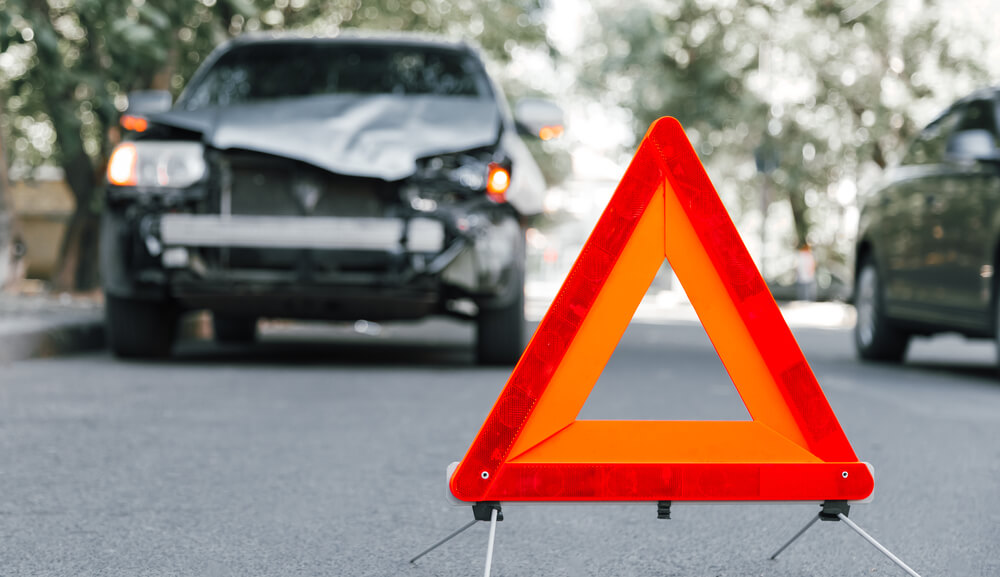
What Are My Rights After a Hit-and-Run Accident in Kentucky?
The screech of tires, the crunch of metal, and then… silence. For most drivers in Kentucky, a car accident is a moment of confusion and panic. But when the other driver speeds away without stopping, that panic often turns to disbelief and anger. You are left standing on the side of I-64 or a busy Louisville intersection, wondering who will pay for your wrecked car and your mounting medical bills.
In the Bluegrass region, hit-and-run accidents are an unfortunately common reality. From minor fender benders in downtown Lexington to high-speed collisions on rural two-lane highways, the aftermath of these crashes is complex. Unlike a standard accident where insurance information is exchanged calmly, a hit-and-run forces you to navigate a maze of criminal investigations, insurance loopholes, and strict statutory deadlines.
What Should I Do Immediately After a Hit-and-Run Accident in Kentucky?
Immediate steps include calling the police to generate an official report, seeking medical attention to document injuries, and gathering evidence like photos or witness contacts. Do not chase the fleeing driver. Notify your insurance company within 24 hours to preserve coverage eligibility.
The moments immediately following a collision are critical. In a hit-and-run scenario, the evidence disappears the second the other driver flees. Your priority is to create an indisputable record of the event that can be used by law enforcement and your attorney later.
- Call Law Enforcement: Whether you are in Jefferson County or Fayette County, dial 911. You need an official accident report (typically a “Civilian Collision Report” or a police-generated report) to trigger insurance coverage. If the accident happened on an interstate like I-65 or the Watterson Expressway, the Kentucky State Police (KSP) or local metro police must document the scene.
- Seek Medical Attention: Even if you feel fine, adrenaline can mask serious injuries like whiplash or internal trauma. Visit an emergency room, such as UofL Hospital or UK Chandler Hospital, or an urgent care center immediately. This creates a medical timeline linking your injuries directly to the crash.
- Gather Evidence: If it is safe, take photos of your vehicle, the debris field, and the surrounding area. Look for nearby surveillance cameras on businesses or traffic lights.
- Identify Witnesses: If anyone stopped to help, get their names and phone numbers. They may have seen the license plate or the make and model of the fleeing vehicle.
Crucial Mistakes to Avoid
- Do Not Chase: Attempting to pursue the hit-and-run driver is dangerous and can compromise your legal standing.
- Do Not Delay Notification: Many insurance policies have strict deadlines (often as short as 30 days) for reporting “phantom vehicle” or hit-and-run claims.
Understanding Kentucky’s “Duty to Stop” Laws
In Kentucky, leaving the scene of an accident is a serious crime, not just a traffic violation. Under Kentucky Revised Statute (KRS) 189.580, any driver involved in an accident resulting in injury, death, or property damage must immediately stop and ascertain the extent of the injury and render reasonable assistance.
If a driver flees, they face severe criminal penalties:
- Property Damage Only: Class A Misdemeanor.
- Death or Serious Physical Injury: Class D Felony, which can carry prison time.
However, the criminal justice system focuses on punishing the offender, not compensating the victim. While a prosecutor may seek restitution if the driver is caught, this is rarely enough to cover the full cost of a catastrophic injury. This is where your civil rights and insurance coverage come into play.
The Role of Kentucky No-Fault Insurance (PIP)
Kentucky operates under a “Choice No-Fault” system. This is often confusing for accident victims, but in a hit-and-run, it is your first line of financial defense.
Regardless of who caused the crash—or if the at-fault driver is ever found—your own auto insurance policy provides Personal Injury Protection (PIP) coverage.
- Coverage Limit: Basic PIP coverage in Kentucky provides up to $10,000 per person.
- Usage: This fund pays for your medical bills, lost wages, and out-of-pocket expenses immediately after the crash.
- No Fault Required: You do not need to prove the other driver was negligent to access these funds.
For many minor accidents, $10,000 is sufficient. But for severe crashes involving surgeries or long-term rehabilitation, this amount is exhausted quickly—often within the first few days of a hospital stay. Once PIP is exhausted, you must look to other sources of compensation.
Will Uninsured Motorist (UM) Coverage Pay for My Hit-and-Run Accident?
Yes, Uninsured Motorist (UM) coverage typically pays for bodily injury damages in a hit-and-run, acting as the insurance for the missing driver. However, Kentucky law generally requires “physical contact” between vehicles to prevent fraud, meaning “phantom vehicle” claims without contact may be denied.
Uninsured Motorist (UM) coverage is vital for Kentucky drivers. While it is optional, we strongly recommend it because it is the only guaranteed safety net when the at-fault driver is unknown (a hit-and-run) or has no insurance.
How UM Works in a Hit-and-Run
When the other driver flees, they are legally treated as an “uninsured” driver. Your UM policy steps into their shoes. You file a claim against your own insurance company, which then negotiates a settlement for your pain and suffering, excess medical bills, and lost earning capacity, just as if they were the at-fault driver’s insurer.
The “Physical Contact” Rule
This is the most complex aspect of Kentucky’s hit-and-run law. Insurance companies are wary of fraud—specifically, drivers who crash due to their own distraction and then blame a “phantom vehicle” that forced them off the road.
- Physical Contact Requirement: To successfully claim UM benefits in many cases, there must be evidence of physical contact between your car and the hit-and-run vehicle (e.g., paint transfer, dents, debris).
- Corroborating Evidence: If there was no physical contact (e.g., they cut you off and you swerved into a guardrail), winning a UM claim becomes much harder. You will likely need independent witness testimony or video footage to prove the other vehicle existed and caused the crash.
What UM Covers
- Medical expenses exceeding your $10,000 PIP limit.
- Lost wages and loss of future earning capacity.
- Pain and suffering (non-economic damages).
The Investigation: How We Find the Driver
Just because the police have closed their file does not mean the investigation is over. Police departments in busy areas like Louisville or Lexington are often understaffed and may not have the resources to track down every lead in a property-damage hit-and-run.
- Canvas for Video: We scour the area for Ring doorbells, gas station security cameras, and traffic cams that might have captured the fleeing vehicle.
- Witness Re-interviews: Witnesses often remember details days later that they forgot to tell the police at the chaotic scene.
- Body Shop Checks: Hit-and-run drivers often try to repair their vehicles quickly to hide the evidence. We can monitor local body shops for vehicles matching the description.
Can I Sue the Hit-and-Run Driver if They Are Caught?
Yes, if the driver is identified, you can file a civil lawsuit against them for damages not covered by insurance. Additionally, because fleeing the scene is a criminal act, you may be eligible to seek punitive damages, which are designed to punish the wrongdoer rather than just compensate you.
If law enforcement or our investigation successfully identifies the driver, your legal options expand significantly. You are no longer limited to your own insurance policy limits.
Civil Liability Claims
You can file a personal injury lawsuit against the driver for negligence. If they have insurance, their liability policy will come into play. If they were driving a company vehicle (e.g., a delivery truck), their employer might also be liable.
Punitive Damages
Kentucky law allows juries to award punitive damages when a defendant acts with “gross negligence” or “oppression.” Fleeing the scene of an accident—leaving an injured person on the side of the road to suffer—is often viewed by juries as conduct warranting punishment.
- Purpose: These damages are not just to pay your bills; they are meant to send a message that such behavior is unacceptable in our community.
- Leverage: The threat of punitive damages often motivates insurance companies and defendants to settle cases for a higher value rather than risk a trial.
How Long Do I Have to File a Claim for a Hit-and-Run in Kentucky?
In Kentucky, you generally have two years from the date of the accident or two years from the date of your last PIP payment to file a lawsuit. This “tolling” of the statute of limitations via PIP payments is unique to Kentucky and allows victims more time to assess the full extent of their injuries.
Deadlines in legal matters are unforgiving. This specific deadline is known as the Statute of Limitations.
- The Two-Year Rule: Under the Kentucky Motor Vehicle Reparations Act (MVRA), the clock typically stops ticking two years after the crash.
- The PIP Extension: Crucially, if you are receiving PIP payments, the two-year clock resets after each payment. This means if your last medical bill was paid by PIP on January 1, 2024, you generally have until January 1, 2026, to file suit.
Warning: This extension applies to claims regarding bodily injury. If you are filing a claim for Property Damage only, the statute of limitations is typically two years from the date of the accident, regardless of PIP payments. Furthermore, your own insurance policy (for UM claims) may have specific notification deadlines that are much shorter than the state statute of limitations.
Protecting Your Future After the Crash
A hit-and-run accident feels personal. It is a violation of trust and safety. But while the emotional toll is heavy, the financial path forward does not have to be a mystery. You have rights under Kentucky law that protect you, even when the person who hurt you refuses to take responsibility. At John H. Ruby & Associates, we believe that every client deserves a tenacious defense of their rights. We are here to help you navigate the tax complexities, insurance disputes, and legal nuances of your case, ensuring your recovery achieves its maximum potential.
To discuss your specific situation and review your options for recovery, contact us at 502-373-8044 or reach out online to schedule a consultation.


